Types of Drain Blockages — and Why It Matters
Not all blockages are the same. Understanding what type of blockage you're dealing with determines whether a DIY approach is sensible and which method to use.
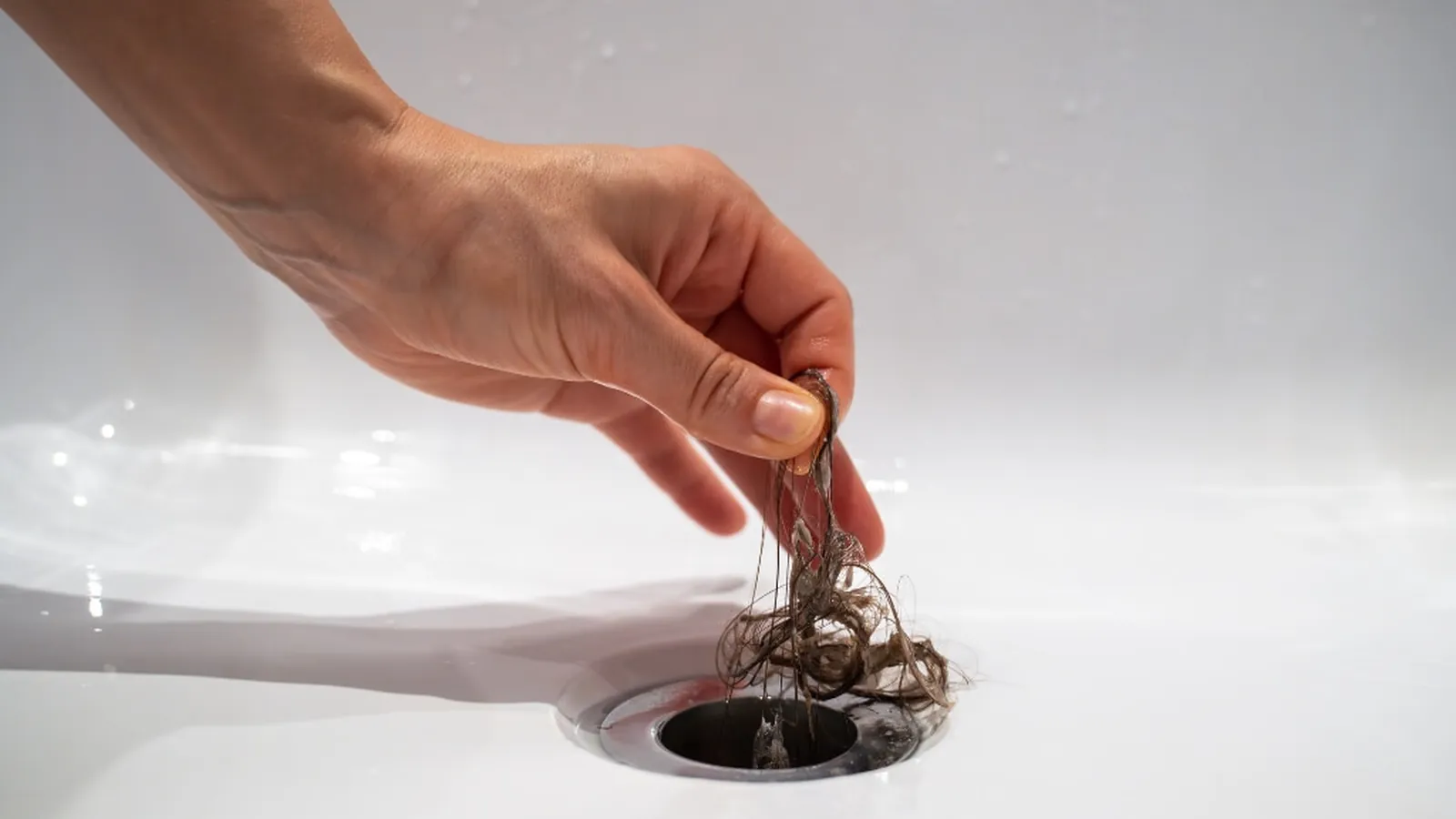
- Soft organic blockages — hair, soap scum, food scraps accumulated in the P-trap or just below the drain opening. Generally DIY-clearable with a plunger or by cleaning the P-trap directly.
- Grease accumulation — cooking fats and oils coat the inside of kitchen drain pipes over months and years, progressively narrowing the bore. Boiling water or enzyme-based drain treatments can help slow the accumulation; severe build-up needs hydro-jetting.
- Foreign object blockages — a toy, a toothpaste cap, a clump of wipes marketed as "flushable" (they're not). If the object is in the P-trap you may be able to retrieve it; further down the line it needs professional clearing.
- Tree root intrusion — common in Adelaide's older suburbs where clay sewer pipes have developed cracks. Roots grow toward moisture and can fill and fracture a pipe. This always requires a plumber with root-cutting equipment and often a CCTV inspection.
DIY Methods That Actually Work
The plunger
A cup plunger (for sinks and shower drains) or flange plunger (for toilets) is the first tool to try on any soft blockage. Block the overflow opening with a damp cloth to create proper suction, then plunge firmly for 30–60 seconds. If the drain clears but blocks again within 24–48 hours, the blockage is further down the line.
Boiling water
Effective on grease and soap build-up. Pour a full kettle of boiling water directly down the drain in two or three stages, allowing it to work for 30 seconds between each pour. Do not use on PVC pipes — boiling water can soften PVC joints over time. Use very hot tap water instead for PVC.
Cleaning the P-trap
The P-trap is the curved pipe section under your sink. Place a bucket underneath, unscrew the trap by hand or with pliers (use a cloth to protect the finish), remove and clean it out. This resolves the majority of slow-draining bathroom and kitchen sinks.
Chemical drain cleaners (caustic soda, acid-based products) dissolve some blockages but cause real problems: they can damage older pipes and pipe seals, create harmful fumes, and don't remove the blockage material — just break it up temporarily. If the drain blocks again, the residual chemical makes it unsafe for a plumber to work on. Try physical methods first.
Warning Signals That Mean You Need a Plumber
The following signs indicate the blockage is beyond what DIY methods can address:
- Multiple drains blocked at the same time — this points to a main sewer line blockage, not an individual fixture
- Gurgling sounds from other drains when you flush the toilet — air displacement in a shared drain line
- Sewage smell inside the home, particularly from floor drains — possible sewer gas venting back through dry traps
- Drain clears then re-blocks within 24–48 hours — blockage is further down the line than DIY methods can reach
- Water backing up into other fixtures — e.g., toilet water rising when you run the sink
- Visible tree roots near your sewer line path — strong indication of root intrusion in clay pipes
DIY vs. Call a Plumber
- Single fixture blocked (one sink or shower)
- Slow drain that's worsened gradually
- Hair/soap blockage visible at or near drain
- P-trap cleaning under a sink
- Plunging a toilet (no chemicals first)
- Multiple drains blocked simultaneously
- Sewage smell or visible backflow
- Recurring blockage after DIY clearing
- Suspicion of tree root intrusion
- Chemical cleaner already poured in
What Professional Drain Clearing Involves
When our Adelaide plumbers attend a blocked drain, here's what typically happens:
- Assessment — we identify whether the blockage is in the fixture trap, the connecting drain, or the main sewer line, and determine the most efficient clearing method
- Hydro-jetting — a high-pressure water jet is fed through the drain, cutting through grease, root intrusion, and compacted debris. More effective than drain snakes for most blockages and doesn't damage pipe walls
- CCTV inspection — for recurring blockages or suspected structural issues, a camera inspection shows exactly what's happening inside the pipe so we can recommend the right long-term fix
- Pipe relining — if a cracked or root-infiltrated pipe is identified, relining inserts a resin liner cured inside the old pipe — effectively a new pipe within the old one, without excavation
Blocked Drain in Adelaide? We'll Clear It Today.
Same-day drain clearing across all Adelaide suburbs. Hydro-jet equipment carried on every call-out — most blockages cleared in a single visit.
Call 08 8246 6223 Get a Quote